


Building Your Home-Based Business Brand: The Ultimate 2026 Guide for Canadian Entrepreneurs
In Canada’s dynamic entrepreneurial landscape, home-based businesses are the backbone of innovation and local economies. Yet, without a physical storefront, establishing credibility and market presence can feel like an uphill battle. This is where a meticulously crafted brand identity becomes not just an asset, but your most potent tool for growth. In a digital world increasingly shaped by AI and hyper-local search, this guide—drawing on primary marketing reports and Canadian market insights—will arm you with the strategies to build an unforgettable home-based brand in 2026, turning your passion into profit.
Why Branding Matters More for Home-Based Businesses in 2026

For entrepreneurs operating from their homes, the traditional markers of business legitimacy—a physical premise, a prominent sign—are absent. This void must be filled by a robust digital brand authority. Consumers, whether local or online, seek consistency as a signal of stability and trustworthiness. Latest reports confirm that a staggering 88% of consumers trust unified branding across digital platforms, significantly reducing skepticism about ‘fly-by-night’ operations. In 2026, with Google’s AI Overviews prioritising trusted signals, inconsistent messaging can lead to a 30% higher bounce rate for small brands, pushing your offerings further down the search results.
Forget the notion that branding is exclusive to big corporations with endless budgets. The key is strategic ‘micro-brand moments‘. Consider the example of a home-based coffee roaster who successfully unified their packaging visuals with engaging Instagram Reels showcasing their meticulous process. This consistency, matching marketplace visuals to social feeds, boosted their conversions by 25%. This approach proves that authenticity and strategic presentation, even on a small scale, can powerfully defy traditional ‘big budget only’ branding myths.
Step 1: Define Your Core Brand Identity

The foundation of any successful brand, especially for a home-based business, is a clear understanding of its identity. This starts with introspection: who are you serving, and how does your unique offering resonate with them?
Identify Your Target Audience and Unique Value Proposition (UVP)
Start by dissecting your ideal customer. Even for virtual services, location-specific targeting can dramatically increase relevance. Utilise tools like Google Trends to pinpoint specific neighbourhood needs (e.g., “virtual assistant for Vancouver small businesses”). Tailored messaging, as data suggests, can lift relevance by over 40%.
Go beyond basic demographics to understand your audience’s pain points. If you’re a home-based baker, are you targeting busy parents needing “quick, allergy-friendly desserts”? Leverage social media insights and simple surveys to gather this crucial data. Craft a compelling UVP that clearly articulates what makes you different and better. For example: “Handcrafted, pet-safe candles from my Montréal home studio—delivered in 48 hours within the city.” Don’t be afraid to test different UVPs through A/B social media posts to see what resonates most.
Expert Insight: Create a ‘brand mood board’ using free tools like Canva to visualise your brand’s aesthetic and feel. A contrarian but highly effective strategy is to ignore broad appeals. Hyper-niching, such as “vegan leather goods for gamers,” has been shown to convert 3x better according to 2025 small business reports, by speaking directly to a passionate segment.
Develop Visual and Voice Consistency
Once your core identity is clear, translate it into consistent visuals and a distinct brand voice. Your visual branding—cohesive colours, fonts, and imagery—must be uniform across your website, social media profiles, packaging, and any client-facing materials. This consistency is paramount; it reinforces brand recall and helps establish authority, with fashion microbrands experiencing 20% higher search rankings due to strong visual identity.
Your brand voice should be an authentic reflection of your personality and values. Are you warm and approachable (e.g., “From my home kitchen to yours”)? Or are you an expert and authoritative figure? Ensure this tone is consistent in everything you write, from social media captions and website copy to email newsletters and client communications. Free tools like Coolors can help you build a professional colour palette, while regular audits (perhaps with a tool like Brand24) can help identify and rectify any inconsistencies that could erode trust.
Step 2: Master Local SEO for Home-Based Visibility

Even without a physical shopfront, Local Search Engine Optimisation (SEO) is a game-changer for home-based Canadian businesses. Data shows that local SEO drives a remarkable 46% of Google searches for services. Google prioritises proximity and relevance, effectively levelling the playing field for home-based operations against larger competitors.
Optimize Your Google Business Profile (GBP)
Your Google Business Profile (GBP) is your digital storefront. Claim and verify your GBP, opting for a ‘service area only’ address if privacy is a concern. Populate it with meticulous detail: high-quality photos of your workspace (if appropriate), products, or service in action. Clearly list your hours of operation and the specific services you offer. For instance, a home-based tutor could list “online math sessions for [local schools] in Toronto” and embed a Calendly link for direct bookings, making it effortless for potential clients to connect.
Build Citations and Reviews
Expand your online footprint by listing your business on other reputable directories like Yelp, Angi, and local Canadian business portals. These ‘citations’ build authority. Critically, encourage your clients to leave detailed reviews. A review that states “[Name] fixed my laptop from her home setup in 2 hours – excellent service!” is far more impactful than a generic “great service.” Timely responses to reviews are equally crucial; businesses that respond within 24 hours see a 12% boost in conversions. Set up alerts to ensure you never miss a new review.
Pro Tip (Contrarian View): Instead of relying solely on paid review tools, leverage ‘ghost videos’ for re-engaging lost leads. A 30-second personalised thank-you clip sent after a service, or to a lead who didn’t convert, can have a surprising impact. One home service case study showed a 2x lead recovery rate with this tactic.
| Local SEO Element | Home-Based Tweak | Expected Impact (2026 Data) |
|---|---|---|
| GBP Photos | Home studio tours, product showcase | +35% inquiries |
| Reviews | Service-specific feedback, prompt replies | +12% conversions |
| Citations | Virtual + local Canadian directories | 3-6 month ranking jump |
Step 3: Leverage Content and Social Media for Authority
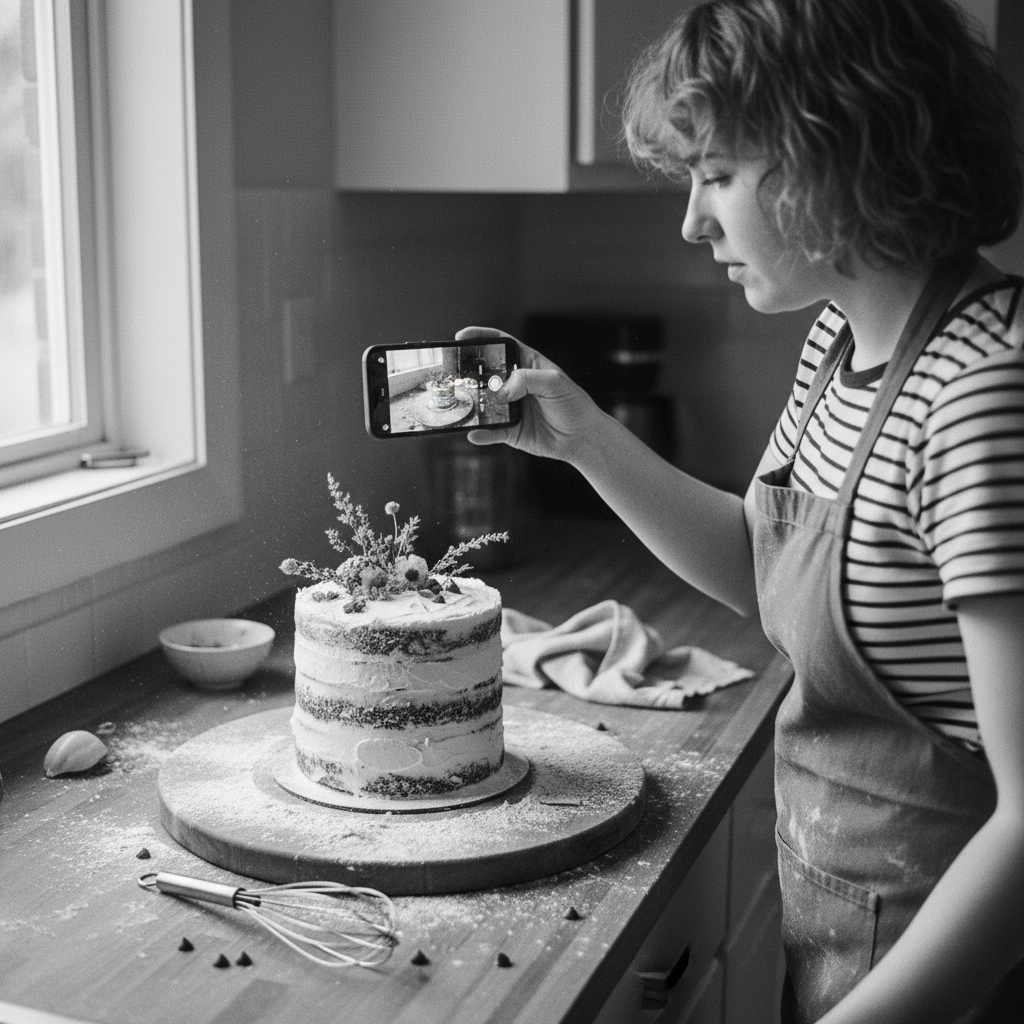
Content marketing is your opportunity to position yourself as the definitive expert in your field. It educates your audience, addresses their pain points, and significantly boosts your SEO. Video content, in particular, continues to deliver immense value, with an ROI hitting 4.8x for small businesses in late 2024-2025.
Create Immersive, High-Engagement Content
Short-form video reigns supreme. Create Reels or TikToks that offer a “day in my home biz” glimpse, behind-the-scenes insights, or quick tutorials relevant to your niche. For example, a home-based artisan could post a time-lapse video of a product being created, ending with a clear call to action: “DM for custom orders.” Short-form Reels are converting 2.5x better than static posts, highlighting their power.
Don’t neglect blogs and guides. Write articles that solve common problems related to your services, like “5 Ways to Organise Your Home Office for Peak Productivity” or “Choosing the Right Eco-Friendly Art Supplies in Vancouver.” For 2026, a critical twist is to AI-optimise your content; content structured for clarity and direct answers is appearing in Google’s AI Overviews 27% more frequently for branded small businesses, enhancing discoverability.
Social Platforms Breakdown
Strategically choose platforms that align with your brand:
- Instagram and Pinterest: Ideal for visual portfolios, showcasing before-and-after transformations for crafters or interior design consultants.
- Facebook: Leverage local community groups for targeted pain-point posts or sharing valuable tips.
- LinkedIn: Essential for B2B home-based consultants, establishing professional credibility and thought leadership.
Actionable Example: Host a weekly Instagram Stories Q&A session, inviting followers to submit questions about your product or service. Consider collaborating with local micro-influencers, like a neighbourhood mom blogger for a giveaway, to tap into highly engaged, local audiences.
Expert Insight: Go beyond generic emails with post-appointment videos. A quick personal video message (e.g., “Your custom quilt is packed and on its way!”) keeps you top-of-mind and can outpace generic emails by 3:1 in engagement. Contrarian but effective: prioritise authenticity over polish. Raw, genuine home tours or behind-the-scenes footage build 2.5x more trust than overly produced content, especially for home-based brands.
Step 4: Amplify with Paid and Partnership Tactics
While organic growth is vital, strategic paid advertising and partnerships can significantly amplify your brand’s reach and accelerate lead generation.
PPC and Ads for Quick Wins
Invest in Pay-Per-Click (PPC) campaigns, particularly Google Ads, targeting high-intent keywords like “home-based graphic designer near me” or “custom jewellery Vancouver.” The advantage of PPC is immediate visibility; it generates leads in days, compared to the 3-6 months often required for SEO. Allocate a modest daily budget, perhaps $5, for geofencing local events or specific postal codes where your target audience resides.
Influencer and Community Partnerships
Instead of aiming for mega-influencers, focus on local micro-partnerships. Collaborate with local DIYers, crafters, or community organisers for authentic shoutouts or joint ventures. This approach often yields a much higher return on investment; 2025 data indicates that local micro-partnerships (under 10,000 followers) generate 5x the ROI through genuine endorsements. Don’t overlook traditional hybrid tactics: sponsor a neighbourhood event, donate your services to a local charity, or even distribute direct mail flyers with “home biz specials” in your immediate area to build local goodwill.
Step 5: Track, Optimize, and Scale
The digital landscape is constantly evolving, and your brand strategy should too. Real-time data is your compass, guiding your optimisation efforts and ensuring sustainable growth.
Utilise analytics tools like Google Analytics and Google Search Console to monitor key performance indicators (KPIs). Track your website traffic sources, conversion rates (aim for 3-5%), and crucially, your review volume and sentiment. Conduct monthly audits to identify what’s working and what isn’t. If your video content is delivering an ROI greater than 4x, double down on it! Pivot your strategies based on data-driven insights.
As your home-based business grows, strategically reinvest a portion of your profits—perhaps 20%—into tools that streamline your operations or enhance your brand. This could include AI content generators to assist with ideation, advanced social media scheduling platforms, or professional branding assets. Building a ‘brand health score’ (a composite of engagement, review sentiment, and website traffic) can provide a holistic view of your brand’s performance.
Expert Insight: Embrace negative reviews publicly. While counter-intuitive, transparently addressing and fixing issues demonstrated in negative feedback can build 15% more customer loyalty than striving for an unrealistic image of perfection. It shows humanity and a commitment to service, which resonates deeply with consumers.
The Acxes 9 Perspective
At Acxes 9, we understand that building a thriving home-based business brand in Canada requires more than just passion; it demands a strategic, agile, and forward-looking approach. In the hyper-connected, AI-driven world of 2026, your digital presence is your competitive edge, and consistency is your currency of trust. By meticulously defining your identity, mastering local visibility, crafting compelling content, and intelligently amplifying your reach, you are not just building a business—you are forging a legacy.
This guide provides the roadmap, but the journey requires dedication and continuous adaptation. As your trusted Canadian design agency, Acxes 9 is here to partner with you, helping to translate these strategies into stunning visual identities, engaging digital experiences, and powerful marketing campaigns that resonate with your target audience. Together, we can ensure your home-based business stands out, builds enduring relationships, and achieves remarkable success in 2026 and beyond.